
Your Plan vs Reality: How Program and TPM Roles Are Likely to Evolve by 2026
A deep dive in how the Program Management role will and will not change this year.

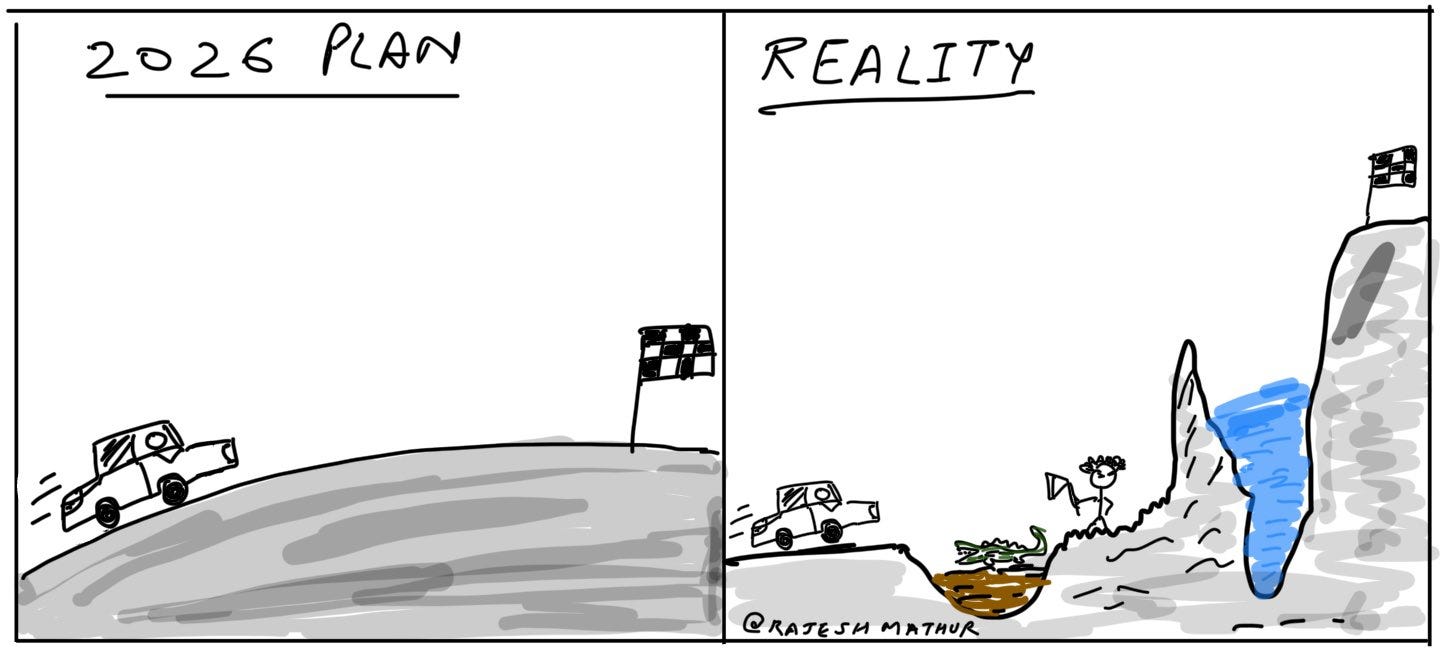
Every few years, the program and TPM world gets caught in a wave of predictions.
New tools. New titles. New expectations.
And a lot of confident statements about how the role is “moving upstream” or “becoming strategic.”
Some of that is directionally right.
But if you’ve spent any real time inside large organisations, you already know this: roles rarely evolve cleanly. They stretch, fracture, and get pulled in different directions depending on context, pressure, and leadership maturity.
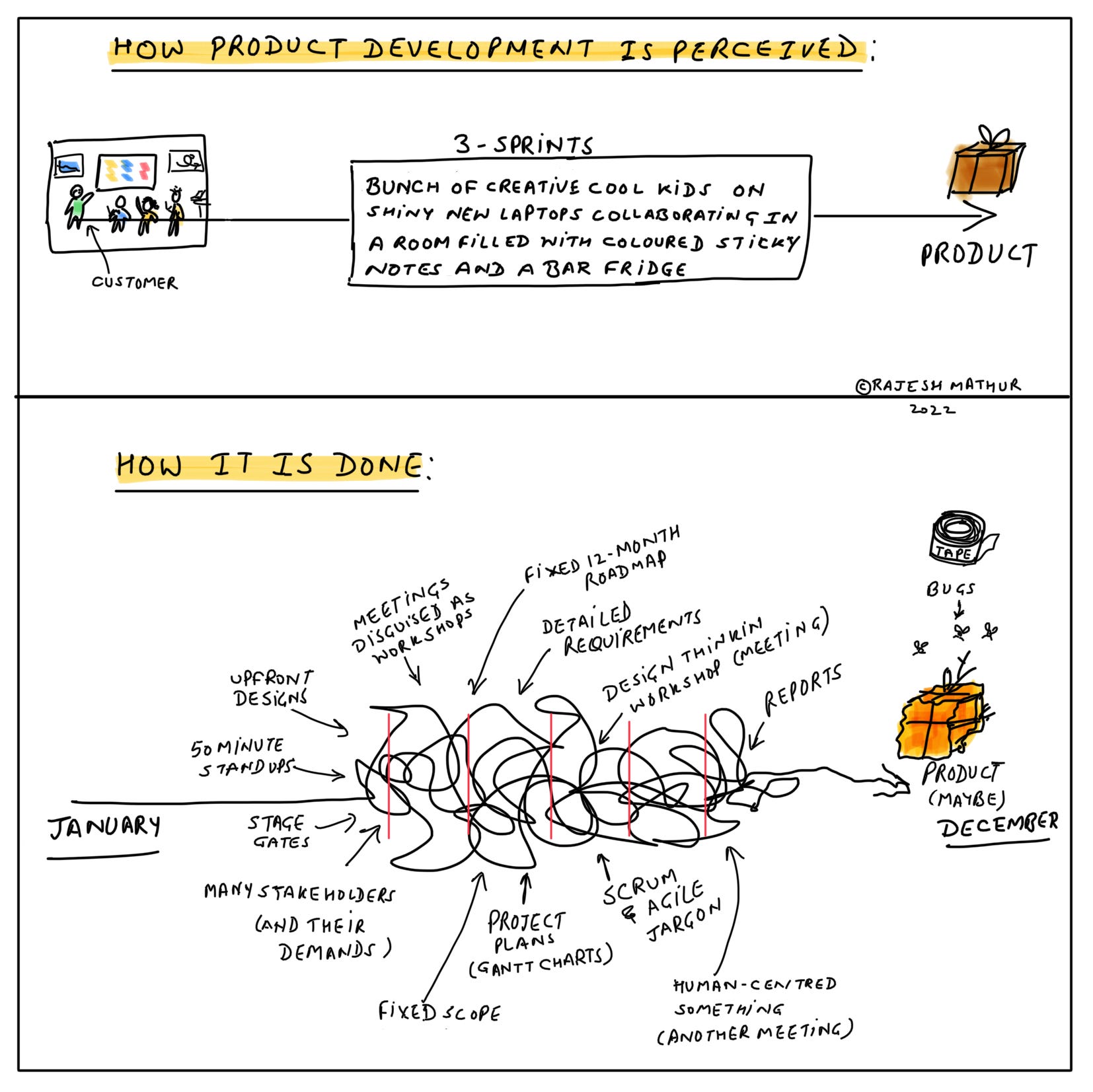
Product development hasn’t changed a bit over the years. We all know that.
As we head into 2026, the biggest gap I see is not between old and new roles.
It’s between how these roles are described and how delivery work actually happens.
Automation will raise expectations, not remove responsibility:
There is no question that automation and intelligent tooling will play a bigger role in delivery work.
Status updates will be easier to generate.
Patterns will surface faster.
Information will be easier to summarise and share.What this will not do is simplify the job.
When routine work becomes easier, expectations rise almost immediately. Leaders do not say, “Great, now you can relax.” They say, “Good, now you can focus on the harder stuff.”
The harder stuff has always been judgment.
What matters. What can wait. Where risk is real versus theoretical. Which trade-offs are acceptable and which ones will come back to bite the organisation later.
Tools will assist with speed and visibility. They will not replace the need for someone who can think clearly when the data points do not line up neatly.
Everyone will ask about value, few will define it well:
You will hear the word “value” far more often in 2026.
Executives already ask for it. Boards expect it. Investors demand it.
What most organisations still struggle with is translating that word into something concrete.
What does success actually look like for this program?
Who owns the outcome after delivery?
How long does value take to show up, and what happens when it does not?
We know that many programs are still framed around timelines and budgets because those are easy to measure. But, value is messier. It crosses functions, time horizons, and incentives. Then, who defines it? Is that just one person, like a sponsor, or a group of stakeholders?
This is where experienced PMs and TPMs can make a real difference. Not by promising outcomes they cannot control, but by helping leaders think through trade-offs, assumptions, and consequences early enough for it to matter.
The ability to connect strategy to tangible decisions will matter far more than perfect reporting.
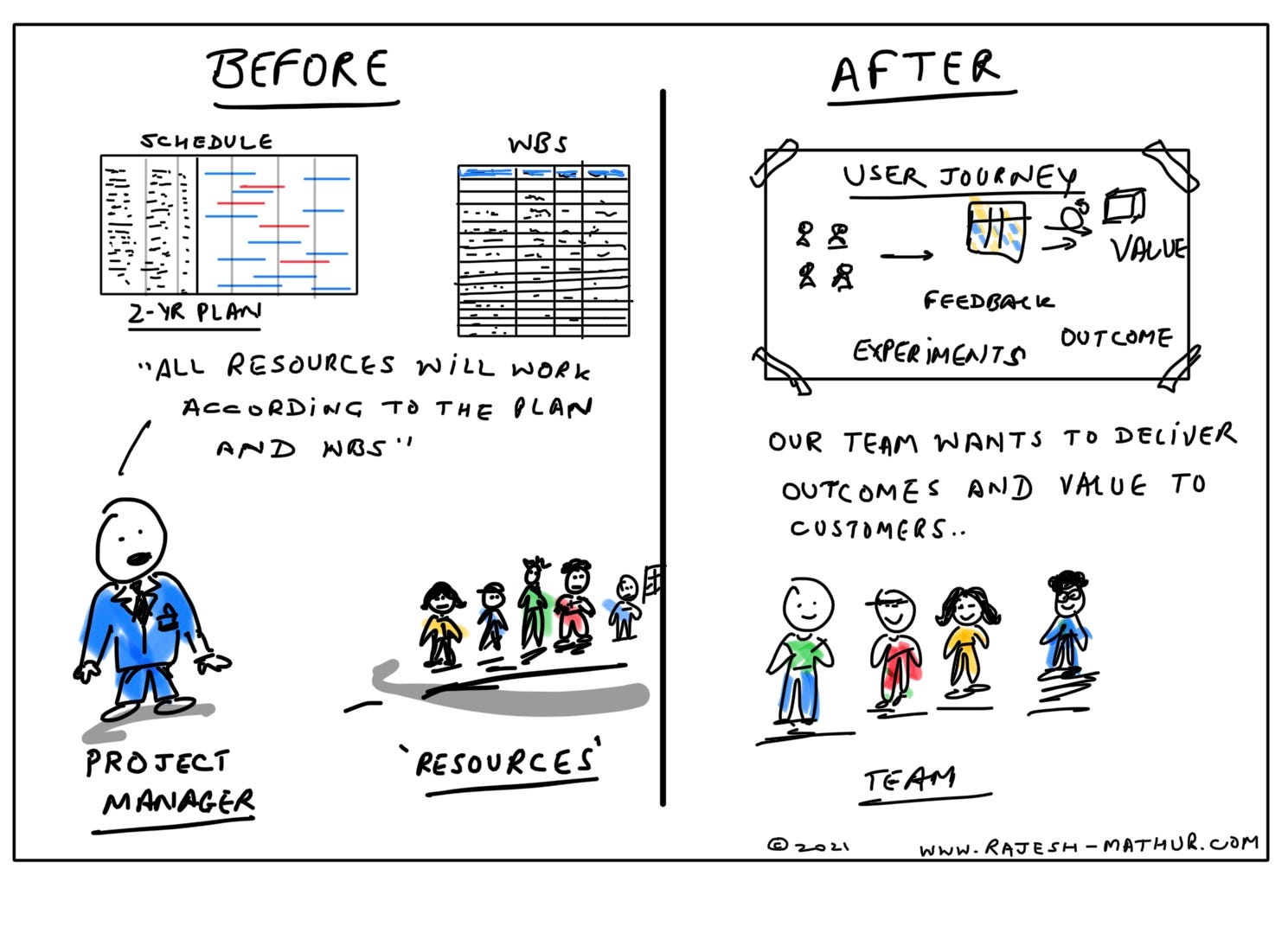
Role boundaries will stretch in some places and harden in others:
There is a popular narrative that PM and TPM roles are blending into one universal shape.
That is not what I see in practice.
In smaller companies, platform teams, and product-led environments, roles often expand. Technical leaders are expected to understand customer impact. Product leaders are expected to grasp technical constraints. Everyone wears more than one hat.
In large enterprises, the opposite often happens. Roles remain clearly defined, sometimes for good reasons. Scale, risk, and regulation demand separation of responsibilities.
The mistake is assuming that one career strategy works everywhere.
Context matters far more than job titles. Understanding the environment you are in, and adapting your contribution accordingly, will be critical.
Coordination alone will not be enough:
I notice that a shift in a key aspect of these roles is already underway.
Work that adds the least leverage is the easiest to automate, bypass, or de-prioritise. That includes excessive coordination, manual tracking, and reporting without insight. If most of your value comes from chasing updates, managing handoffs, or maintaining artefacts that no one uses to make decisions, pressure will build quickly.
On the other hand, people who simplify systems, surface real constraints, and help teams navigate uncertainty will become more valuable, not less.
Delivery has never been about moving tasks from left to right. It has always been about reducing friction in complex systems. That skill does not age out.
Process debates will continue, but they will not decide outcomes:
Every few years, we rename the same arguments. Frameworks change. Processes change. Labels change. The debates stay familiar.
What actually drives delivery success rarely comes down to process purity. It comes down to decision quality. That is:
How fast can decisions be made when information is incomplete?
How quickly can risks be surfaced without blame?
How clearly are trade-offs explained and owned?
What I’ve seen with the teams that struggle a lot is not because of choosing the wrong framework, but because they avoid the hard conversations frameworks are meant to enable. Jerry Weinberg called it placating behaviour.
The more experience you gain, the more you realise that methods are tools. Thinking is the work.
Tool access will be common. Good use will remain rare:
In 2026, most delivery teams will have access to advanced AI tools. Licenses will not be the constraint. We already see that AI is becoming part of almost every tool. I can’t say if that is a good thing or not.
But what will remain scarce is discipline.
Look, too many tools create noise. Unclear ownership creates confusion. Automation without judgment creates false confidence.
I actually get a bit frustrated looking at all those LinkedIn posts talking about “Here’re the 100 tools that every PM must use”. No, that’s not useful or helpful. The teams that benefit most will not be the ones experimenting with everything. They will be the ones that integrate a small number of tools deeply into how decisions are made and work is done.
Of course, this requires courage and intent.
The biggest shift is behavioural:
If there is one consistent pattern across all of this, it is not about tools, frameworks, or titles. It is about how PMs and TPMs show up.
Those who think like business leaders, even without the title, will move ahead (I focus on this part in my mentoring cohort (Delivery Leadership Accelerator) in detail). They ask better questions. They frame issues clearly. They understand constraints and work within them rather than complaining about them.
Those who remain focused on managing tasks without influencing decisions will find the gap between expectation and reality growing wider.
This is not a prediction. We can already see that.
Bridging the gap between plan and reality:
Every organisation has plans that look clean on paper and realities that refuse to cooperate.
The role of modern delivery leadership is not to pretend that gap does not exist. It is to stand in it, understand it, and help others cross it safely. That requires judgment, courage, and the ability to say uncomfortable things at the right time. And no tool can do that for you. You can certainly use tools and data to visualize that to assist you.
As 2026 progresses (for me it’s already the evening of 1st of January 2026), the question is not whether the role will change. It already is.
The real question is whether your contribution is anchored in outcomes, clarity, and trust, or in artefacts that exist mainly to create the appearance of control.
So tell me, where do you see the biggest gap today between how delivery roles are described and how work actually gets done?
Great article. I think there are a lot of challenges around how boards and leaders understand, manage and fund delivery roles vs operational roles - one you can fine tune and micro manage until the cows come home, the other has lots of opportunities with enormous leverage to create sustainable value deep in the plumbing of an operating model.